
Feature

Coups in Africa: A Threat to Democracy or a Vanguard of Revolution?

By Abdul Tejan-Cole

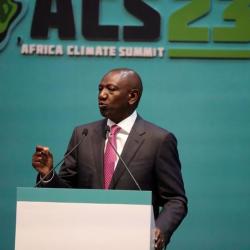
Spontaneous celebrations erupted in the streets across Gabon as the news of President Ali Bongo's removal by the military spread like wildfire. The Bongo family's long-standing rule of 56 years had ended. This jubilation unfolded against the backdrop of a declaration of election results cloaked in darkness following days of internet shutdowns, curfews, and border closures.

Becoming A Young African Leader From Sierra Leone


In 2016, I was privileged to be selected as a young and emerging leader from Sierra Leone to participate in one of the most prestigious fellowships, The Young African Leaders Initiative (YALI), under the Mandela Washington Fellowship, an initiative of former President Obama. 

Men don’t know risks of HPV, virus transmission and cancer

By Emma Black

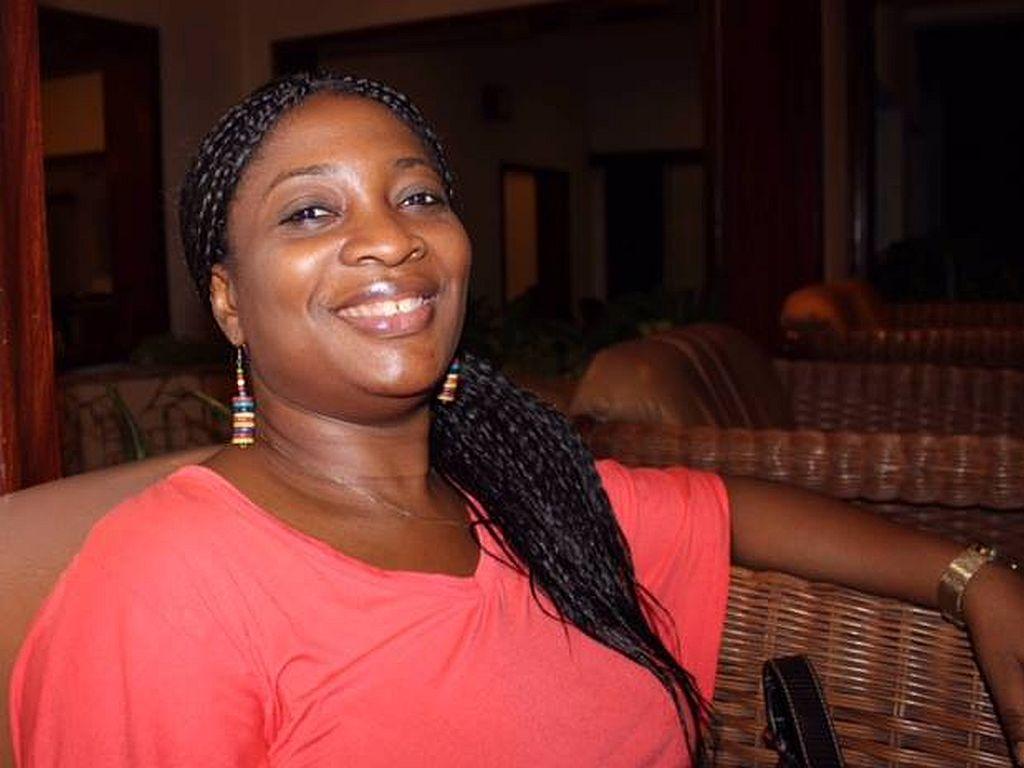
The group of young men gathered under a makeshift overhang known as an “ataya base”, in downtown Freetown, Sierra Leone. The discussions (and arguments) revolve between Premier League football, politics, the price of a bag of rice, and money hustles (or the lack of). The local “ataya base” is a meeting point, like a small-town coffee shop. But, one topic that seems to be off-limits is health, especially sexually-transmitted diseases.

Girls at risk of HPV transmission: Vaccinations eliminate cervical cancer

By Emma Black

The Freetown Secondary School for Girls, known fondly as “FSSG”, is a haven for pre-adolescent and teenage girls in the heart of Freetown, Sierra Leone. The junior secondary school hosts around 1,100 girls and Daniella Bangura, 14, will soon transition into senior secondary school with approximately 1,500 other girls. “Yes, I see girls getting pregnant; some show up with bruises or sores and are quiet in class; some bring their market to sell after school and many of my friends are tired. It’s not easy being a girl in Sierra Leone.”

A case for removing subsidy on petroleum products in Sierra Leone

By Franklin Sisabu Bendu

Petroleum products are an important cog in the running of any economy. The agriculture, industry and services sub-sectors are all reliant on different types of petroleum products for their daily functions.

Sadly, for Sierra Leone, we do not produce these petroleum products. All of what we consume must be imported. Over the last five years, the import value of petroleum products has averaged US$ 253 million (Two Hundred and Fifty-Three million US dollars).

Pages

Top