Feature

Sierra Leone’s Power Structure: An Analysis of the Presumption That Women Are More Powerful

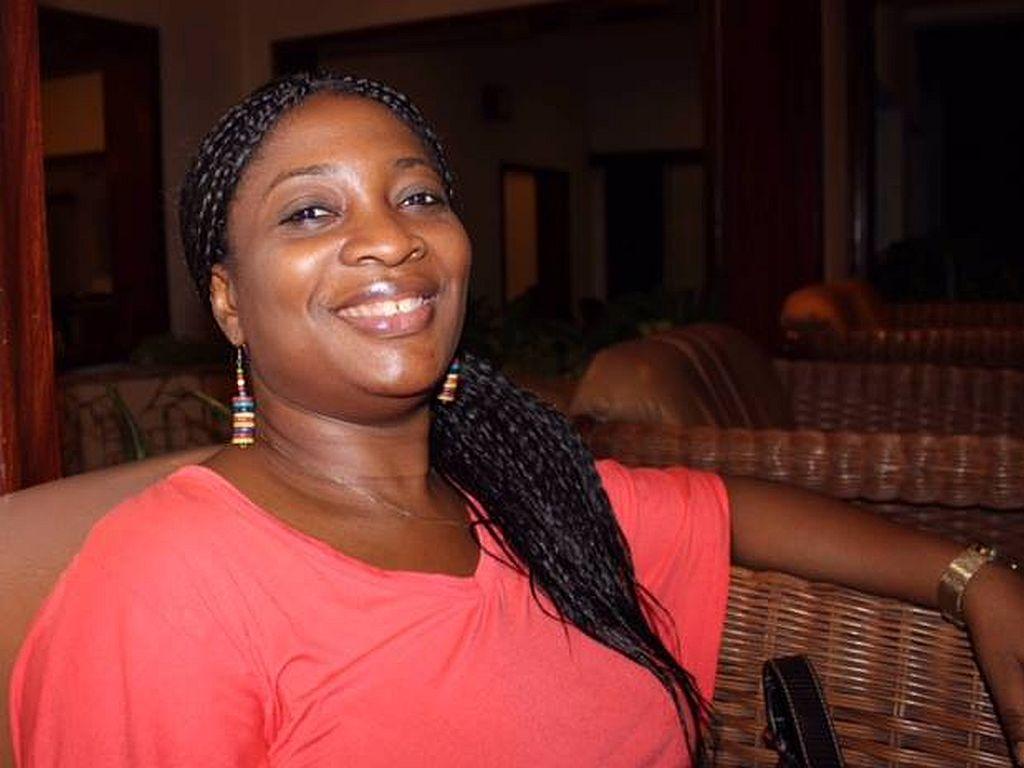
By Theriyeh Koroma

For quite too long this presumption has been hovering about women being more powerful than men. Often, the famous assertion is referenced to make credence for women’s supposed power, while questioning the relevance around the equality call anyway.

 As easy as it may sound, arguments are quick to be dismissed with this idealistic construct in efforts to paralyse any iota of belief that women are not as powerful as emphasised.

Sierra Leone is fighting two pandemics: Covid-19 and "Infordemic"

By Kemo Cham

Recently the Sierra Leone government was forced to issue a statement debunking a fake news in circulation.

Someone had modified the mobile app used by the Ministry of Information and Communication to announce update in the national Covid-19 response; they added two to the official number of confirmed cases, dubiously making it look like the country had eight cases. It sparked a debate on social media among Sierra Leoneans, about the correct statistics.

Op-Ed: Ruling out violence as a means to achieving compliance with COVID-19 measures in Sierra Leone

By Mustapha Dumbuya

On March 25, Sierra Leone’s President Julius Maada Bio declared a year-long state of emergency as part of measures to curb the spread of the Coronavirus pandemic, also known as Covid-19. At the point of his declaration, Sierra Leone was yet to record a single case of the virus - the only country in West Africa to have been spared at the time.

As Monday, April 20, Sierra Leone has recorded 43 cases, with no deaths. Meanwhile, 6 people have recovered and discharged after they tested negative for the virus on a second test.

The Role of Community Paralegals in Fight Against Ebola - Lessons for COVID-19

By Nancy Sesay

On March 31, 2020, Sierra Leone recorded its index case of COVID-19. Prior to this date, the government had instituted measures such as a declaration of a state of public   emergency, suspending flights; closing borders with Guinea and Liberia, as well as schools and universities/colleges; banning large public gatherings, and urging people to practice social/physical distancing and  basic hygiene, including regular hand washing and use of hand sanitizers, to prevent and contain the spread of the virus.

Op-Ed: U.S. Health Assistance to Sierra Leone

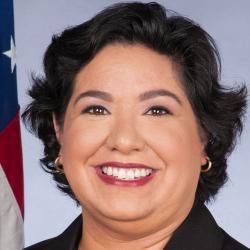
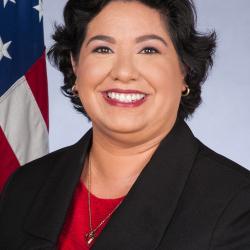
By U.S. Ambassador Maria Brewer

April 8, 2020

The story of U.S. leadership in the global battle against COVID-19 is the continuation of a longer story of global health assistance around the world. These efforts demonstrate a decades-long foundation of American expertise, generosity, and planning unmatched in history.

The United States provides aid because we believe it’s the right thing to do. We also do it because pandemics don’t respect national borders. If we can help counties contain outbreaks, we’ll save lives everywhere.

Ending Deforestation to End Pandemics

By Abdul Tejan-Cole

On March 17, 2016, 42 days and two incubation cycles since the last person confirmed to have the Ebola virus disease in Sierra Leone tested negative for a second time, the Government of Sierra Leone and the World Health Organisation (WHO) marked the end of the Ebola epidemic in the country.

On June 1, 2016, a similar declaration was made for Guinea. Liberia followed on June 9. More than 28,000 people were infected, and over 11,000 people died during this epidemic.

Towards Food Self-Sufficiency Post-COVID-19 in Sierra Leone

By Franklin Sisabu Bendu

The impact of COVID -19 is evolving every day. In response, countries are adapting in dynamic ways to address the ever-growing challenges of the pandemic.

Economic forecasts have been revised downwards and will continue in that direction until the economically advanced countries start to see a decline in infections and in number of deaths. Many developing countries are adjusting to the impact of COVID-19 and it is sad to see how unprepared these countries are.

Pages

Top