


By Abdulai Fasineh Dumbuya
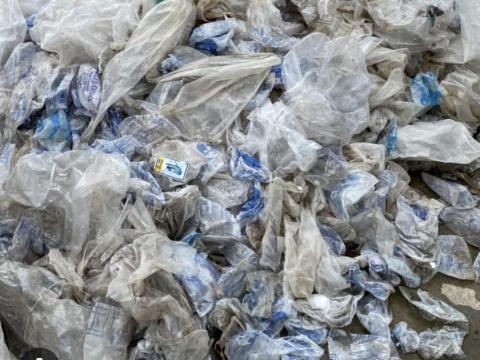
Officials of the Government of Sierra Leone have expressed grave concern over the direct environmental and health threats posed by plastic waste to the life and livelihoods of Sierra Leoneans, including marine life.
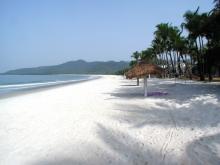
The Senior Permanent Secretary at the Ministry of Tourism and Cultural Affairs, Judith C. Jones, who represented the minister of tourism, said that plastic waste is not just an environmental hazard but a direct threat to Sierra Leone’s beaches – one of the nation’s most valuable tourism assets.
She said this year’s Go Circular 2026 theme – “Green Actions, New Jobs” – is aimed at reducing, reusing and recycling plastic waste for a cleaner and healthier nation. She described the growing enthusiasm for circularity as “heartwarming and deeply encouraging,” noting that the movement has already begun to reshape Sierra Leone’s tourism and environmental landscape.
She said the Go Circular initiative, which began as a campaign in 2024, has developed into a movement involving national and international actors with the view to reducing plastic waste across the nation.
While she stressed significant progress made over the years, in terms of sustaining efforts to popularize the effects of plastic waste on lives and livelihoods, she emphasized the need for greener businesses to fight against plastic waste nationwide.
On the part of making children aware of the adverse effect of plastic waste in the country, she admonished school children present at the occasion to be agents of change for a clean country, as much as possible, as they represent the future.
With universities and private innovators essential for sustaining recycling, she pointed out that many of these institutions are already transforming plastic waste into valuable products, and that the ministry of tourism is working with them to establish a mini-recycling facility along the coastline.
The Permanent Secretary added that waste management is not solely the responsibility of institutions. “It begins with individual behavior. Each and every one of us must commit to disposing of waste responsibly. Let us build a culture of responsible waste disposal.” She urged every citizen to not only protect the ecosystem, but also position Sierra Leone as an attractive, responsible, and competitive destination. “This responsibility rests with all of us,” she emphasized.
The Deputy Minister of Environment and Climate Change Mima Yema Mimi Sobba-Stephens urged Sierra Leoneans to embrace new habits that reduce waste and protect the nation’s environment, linking cleanliness directly to health, tourism, and national pride. She explained that “going circular” is more than a slogan – it is a big idea about refusing wastefulness and rethinking how to use and dispose of everyday items. “It means being mindful of what we use, how we use it, and what we do afterwards,” she said.
Looking through daily life, she said that plastic bottles tossed after drinking water, are rubbish left in the streets, and beaches polluted by waste. She added: “If we change our habits, we will begin to clean the country. We want to see Sierra Leone clean – just as we admire the cleanliness of other nations when we travel abroad.”
According to her, keeping the environment clean is not only about beauty, but about saving money and protecting health, as people are commonly prone to diseases such as malaria. “If we live a healthy life, we don’t spend money in hospitals,” she said. “Every day you go and spend money in a hospital – but what do you do? Keep the environment clean.”
She also highlighted innovative approaches to waste management, citing “dirty blocks” – recycled materials that can be turned into strong, cool housing structures. Such innovations, according to her, show how waste can be transformed into valuable resources, reducing reliance on sand mining and protecting Sierra Leone’s beaches.
“Our beaches are God-given,” the Deputy Minister told the audience. “They bring income into the country because tourists come to enjoy them. If our environment is clean, our tourism industry will boom.”
She noted that the initiative is seen as a bridge between environmental protection and economic opportunity, therefore encouraging responsible waste disposal, recycling, and innovation, Sierra Leone hopes to build a culture of cleanliness that strengthens both public health and national development.
(c) 2026 Copyright: Politico Online